
ORAL AND MAXILLOFACIAL SURGEON in Deer Park, NY
When a tooth is lost, the damage doesn’t stop there; the jawbone beneath it begins to shrink, quietly eroding the foundation that holds your remaining teeth and makes future restoration possible. By the time most patients seek dental implants, significant bone loss has already occurred, and without intervention, the window for long-term tooth replacement narrows considerably.
Dr. Mohamed El-Ounsi brings a highly advanced, individualized approach to bone grafting as part of a broader commitment to comprehensive oral surgical care. As a Board Certified Oral and Maxillofacial Surgeon and a Fellow of the American Association of Oral and Maxillofacial Surgeons (AAOMS), Dr. El-Ounsi has completed his residency training at NYU Langone and Bellevue Hospital, two of the nation’s most respected programs. For patients who need dental implants but lack sufficient bone volume, bone grafting is often the critical first step.
- Expert Surgeons
- Advanced Techniques
- Patient-Centric Approach
- Comprehensive Care Plans
- State-of-the-Art Facilities
What Is Bone Grafting?
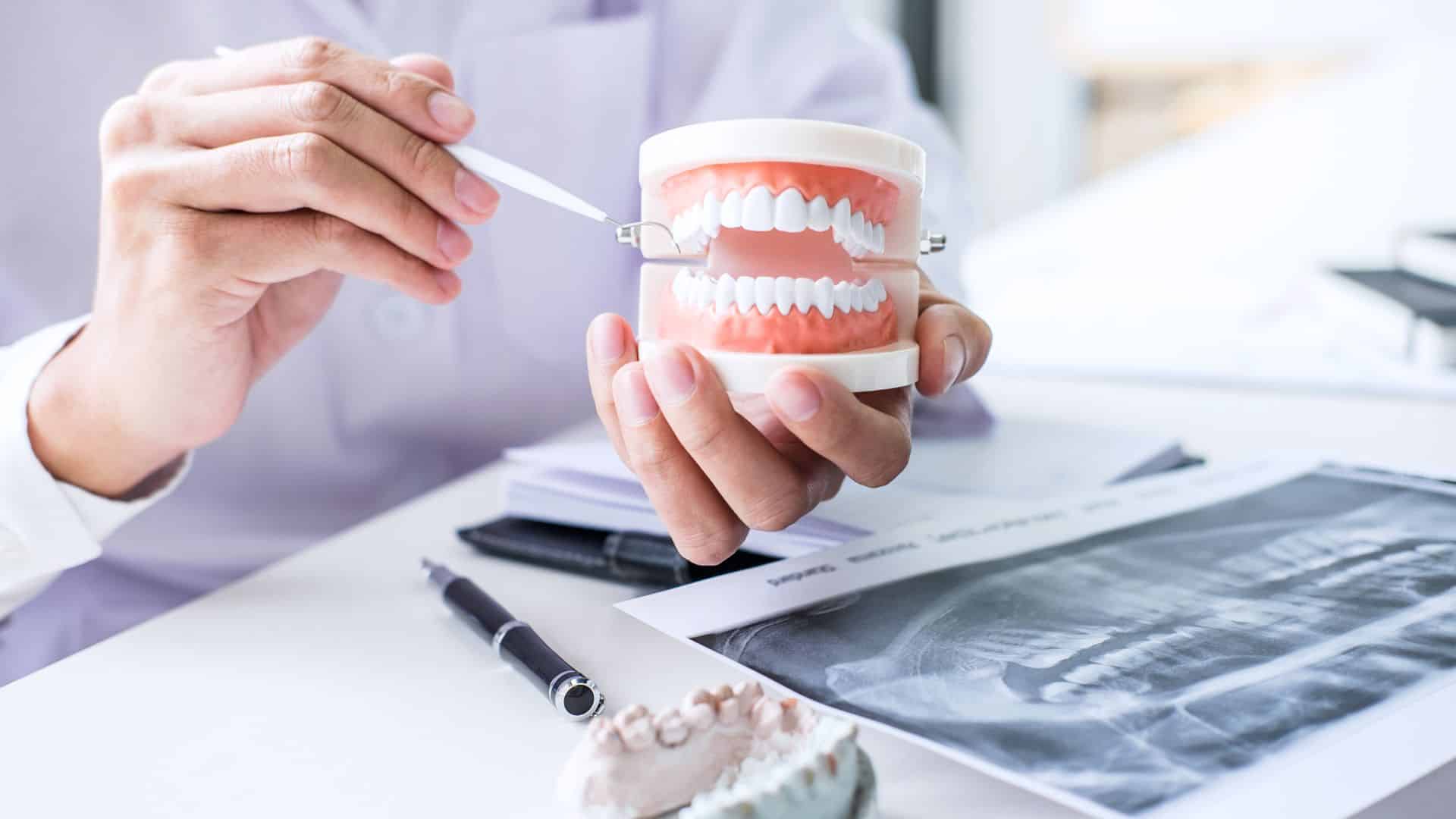
Bone grafting is a surgical procedure designed to rebuild or augment areas of the jaw where bone density or volume has been lost. After tooth loss or extraction, the surrounding bone begins to resorb because it no longer receives the stimulation it needs. A graft introduces new bone material to the site, encouraging the body to generate healthy, stable bone over time. According to a peer-reviewed study published in the National Institutes of Health’s journal library, bone grafting is required in approximately one in every four dental implant cases, making it one of the most commonly performed preparatory procedures in oral surgery.
The procedure itself is straightforward. Bone material, which may come from your own body, a donor source, or a biocompatible synthetic substitute, is placed at the deficient site and secured. Over the following weeks and months, the graft integrates with your existing bone through a process called osseointegration, creating the volume and density needed to support an implant or other restorative treatment.
ORAL AND MAXILLOFACIAL SURGEON in Deer Park, NY
Types of Bone Grafts
Different clinical situations call for different grafting approaches, and Dr. El-Ounsi takes the time to assess each patient individually and source the most appropriate materials for their anatomy and goals.
Socket Preservation Grafts
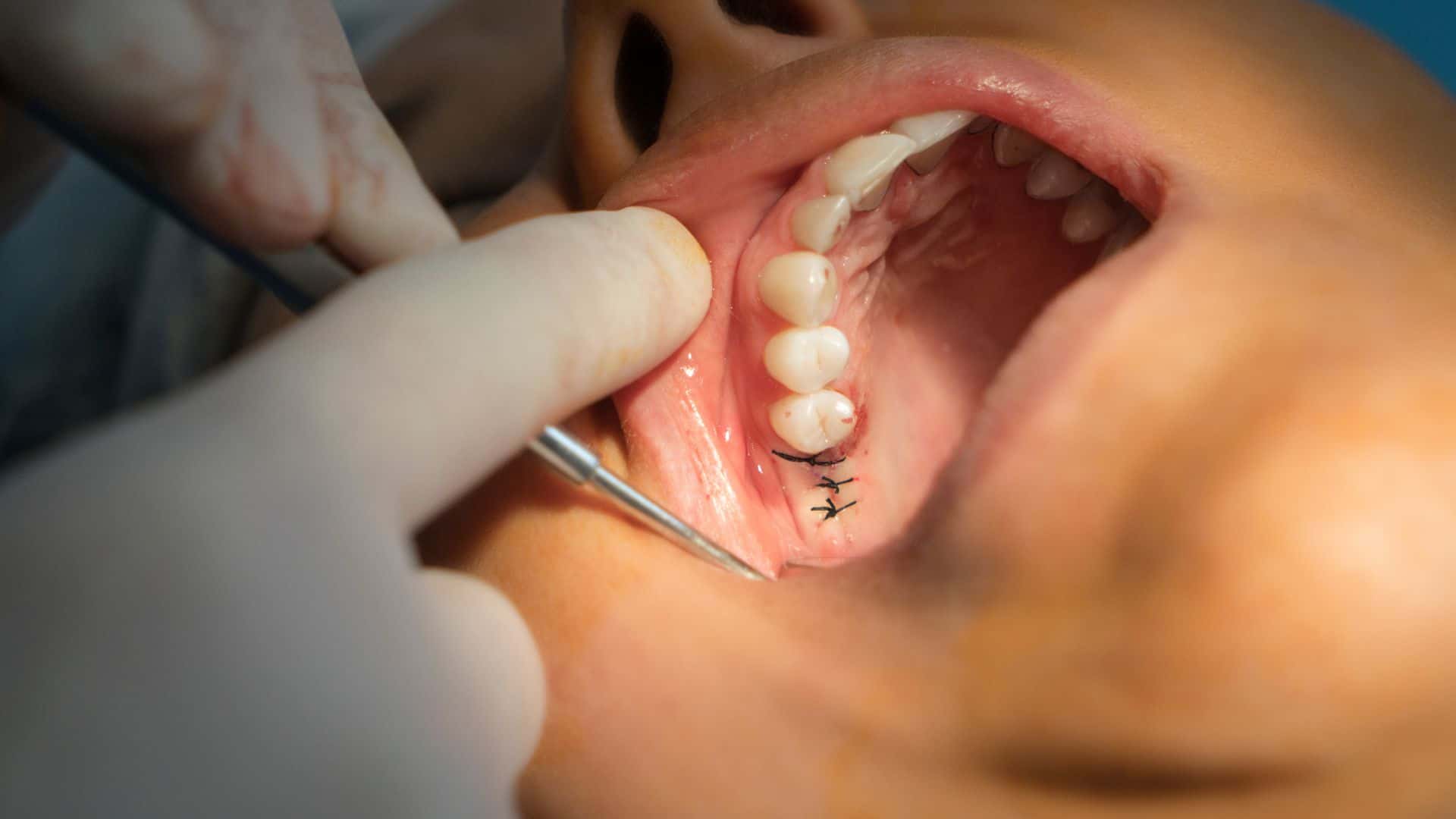
Also called ridge preservation, this type of graft is placed immediately after a tooth extraction to prevent the natural bone loss that would otherwise occur. Patients who know they want an implant in the future benefit significantly from this proactive step, as it preserves the volume and shape of the jawbone during the healing period.
Sinus Augmentation (Sinus Lift)
When bone loss has occurred in the upper jaw near the back molars, the floor of the sinus cavity often sits too low to accommodate an implant safely. A sinus lift procedure gently raises the sinus membrane and places graft material beneath it, creating enough vertical bone height for successful implant placement.

Block and Particulate Grafts
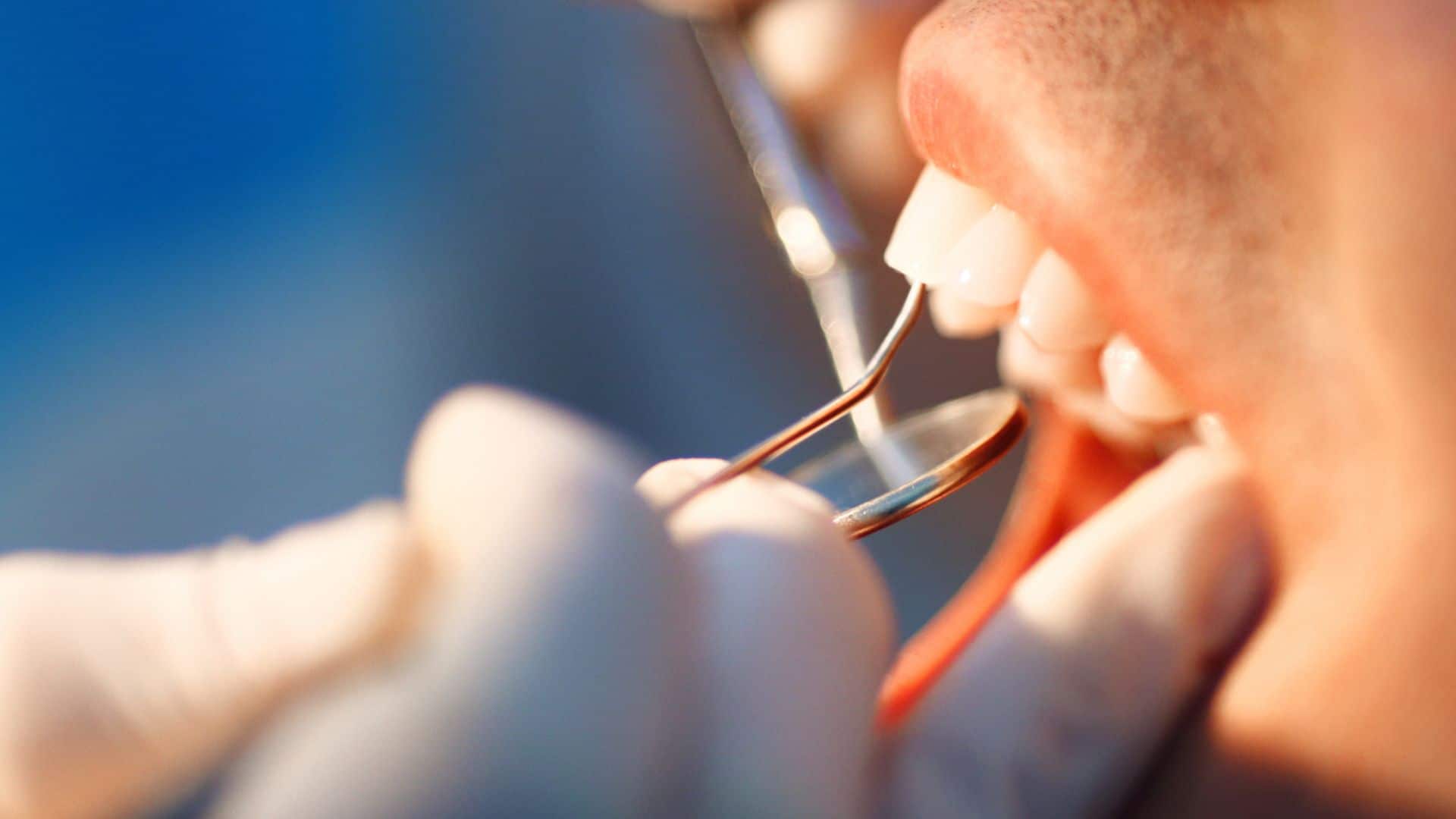
More significant bone deficiencies may require a block graft, where a solid piece of bone is secured to the jaw with titanium screws. Particulate grafts, which use granular bone material, are used for less extensive defects. Both approaches are effective tools in rebuilding a jaw that has experienced moderate to severe resorption.
Each patient’s grafting plan at Precision OMF Surgery is tailored to their specific anatomy, bone quality, and treatment timeline, ensuring that no step in the process is generalized or rushed.
Synthetic Grafts


Combination Grafts
ORAL AND MAXILLOFACIAL SURGEON in Deer Park, NY
How Bone Grafting Supports Dental Implants
Bone grafting is most often discussed in the context of dental implant placement, and for good reason. An implant requires sufficient bone density to anchor securely and function like a natural tooth root. When that density is absent, a graft creates the structural environment the implant needs to succeed long-term.
In some cases, Dr. El-Ounsi is able to perform immediate implant placement alongside a grafting procedure on the same day, reducing the total number of surgical visits and shortening the overall treatment timeline. This capability reflects both the clinical skill required and the state-of-the-art technology available at the practice.
For patients pursuing more extensive restoration, bone grafting is frequently coordinated with additional supportive procedures. Platelet-rich fibrin (PRF), for example, is a biologic treatment derived from your own blood that accelerates tissue regeneration and enhances graft integration. You can learn more about how platelet-rich fibrin is incorporated into care at Precision OMF Surgery.
Start Your Path to Restoration at Precision OMF Surgery
Bone grafting is not a setback; it is the foundation that makes durable, life-changing tooth replacement possible. Dr. El-Ounsi is a Diplomate of the American Board of Oral and Maxillofacial Surgery, certified in Advanced Cardiac Life Support (ACLS) and Pediatric Advanced Life Support (PALS), and trained at one of the most rigorous OMS programs in the country. His individualized approach means every grafting plan is designed around your anatomy, your goals, and your long-term oral health, not a one-size-fits-all protocol.
Precision OMF Surgery offers same-day consultations and accepts a wide range of insurance plans, including Aetna, Blue Cross Blue Shield, Delta Dental PPO, MetLife, and United Healthcare Dental, as well as financing options through CareCredit, Cherry, Alphaeon, Proceed, and HFD. Whether you’re preparing for a single implant or a full-arch restoration, the right foundation starts here. Contact our office to schedule your consultation today.