
ORAL AND MAXILLOFACIAL SURGEON in Deer Park, NY
Missing back teeth for too long can quietly close the door on dental implants. When the upper molars have been gone for months or years, the sinus cavity often drifts downward and the bone that once supported those teeth thins out, leaving too little height to anchor an implant safely. For many patients in Deer Park, this is the moment they’re told implants “won’t work” for them, which is discouraging news after already deciding to invest in a permanent solution.
That’s rarely the end of the story. We perform sinus lift procedures at Precision Oral and Maxillofacial Surgery specifically to rebuild that lost bone volume so full-arch and single-tooth implants remain a realistic option. As a Fellow of the American Association of Oral and Maxillofacial Surgeons and a Diplomate of the American Board of Oral and Maxillofacial Surgery, Dr. El-Ounsi has performed this procedure many times for patients across Suffolk County, and it’s often the single step that turns a “no” into a confident “yes.”
- Enhanced Implant Success
- Improved Aesthetics
- Restored Chewing Ability
- Prevents Further Bone Loss
- Versatility in Treatment Options
What a Sinus Lift Actually Does
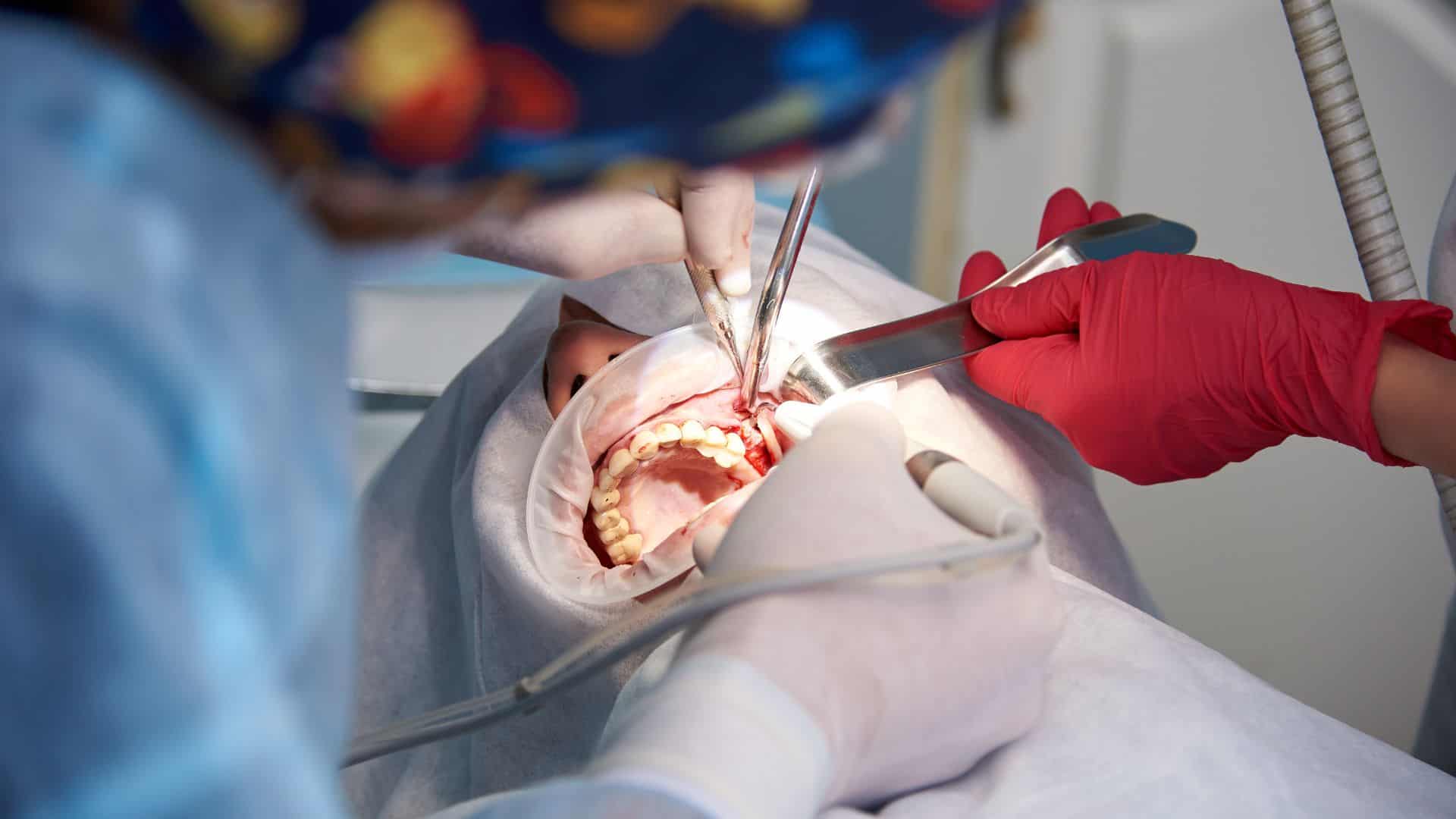
A sinus lift, also called sinus augmentation, is a surgical procedure that gently raises the floor of the maxillary sinus and packs the newly created space with bone graft material. Over several months, that graft matures into living bone, giving an implant enough depth and density to fuse securely with the jaw. Without it, an implant placed into thin posterior maxillary bone runs a much higher risk of shifting, failing, or never integrating properly in the first place.
Why the Upper Jaw Is Different
The upper back jaw loses bone faster than almost any other area of the mouth after tooth loss. Once a molar is extracted, the sinus can expand into the empty socket within a matter of months, a process dentists call pneumatization. This is why so many implant candidates who were fine for a lower jaw implant are suddenly told the upper side is more complicated. A recent 15-year retrospective study published through the National Institutes of Health tracked more than 750 implants placed after sinus augmentation and found consistently strong long-term survival rates across bone graft types, which reflects what we see clinically when the procedure is done with proper planning and imaging.
ORAL AND MAXILLOFACIAL SURGEON in Deer Park, NY
How We Approach the Procedure at Our Practice

Every sinus lift begins with a detailed 3D scan so we can measure exactly how much bone remains and plan the graft with precision. Depending on the amount of natural bone height already present, we may recommend a lateral window approach for more significant rebuilding or a crestal approach for smaller lifts, sometimes allowing an implant to be placed the same day.
We also frequently pair sinus lifts with platelet-rich fibrin, a technique that uses a concentrated sample of the patient’s own blood to accelerate healing and improve graft integration. For patients who need more extensive rebuilding before implants can be placed, this often works alongside our bone grafting services to create a stable, long-term foundation rather than a temporary fix.
Who Typically Needs This Procedure
Not every implant patient needs a sinus lift, but it’s common among people who have been missing upper back teeth for an extended period, wore dentures for years before considering implants, or have naturally low sinus positioning. Patients pursuing full-arch rehabilitation in the upper jaw are especially likely to need some degree of sinus augmentation, since that treatment depends on strong, evenly distributed bone support across the entire arch.
Recovery and What to Expect Afterward
Most patients experience mild swelling and some sinus pressure for a few days after the procedure, managed comfortably with over-the-counter medication. We typically recommend avoiding activities that create pressure changes in the sinuses, such as flying or vigorous nose-blowing, for a short period while the graft settles. Full graft maturation generally takes four to nine months depending on the amount of bone needed, after which we can move forward with implant placement.
We understand that a multi-step timeline isn’t what most patients picture when they first ask about implants, and it’s a fair thing to feel frustrated about. What we’ve found over years of practicing in Deer Park is that patients who take this step end up with implants that last, rather than ones that need to be redone a few years later because the foundation wasn’t there to begin with.

ORAL AND MAXILLOFACIAL SURGEON in Deer Park, NY
Why Choosing an Experienced Surgeon Matters
Sinus lift surgery sits close to important anatomical structures, and the margin for error is smaller than in many other oral surgery procedures. Dr. El-Ounsi’s training as Chief Resident at NYU Langone and Bellevue, two of the most respected oral and maxillofacial surgery programs in the country, means this procedure is performed with the kind of precision that reduces complications like membrane perforation and keeps recovery predictable.
Precision Oral and Maxillofacial Surgery Is Ready When You Are
If you’ve been told your upper jaw doesn’t have enough bone for implants, we want you to know that’s often a starting point for treatment, not a dead end. We’ve helped many patients throughout Deer Park and the surrounding communities rebuild the bone they need and go on to get the implants they actually wanted from the beginning, without settling for removable dentures as a permanent compromise.
The best next step is a conversation about your specific bone structure and goals, so we can map out exactly what your treatment timeline would look like. You can reach out through our contact form to schedule a consultation and find out whether a sinus lift is the right step toward the smile you’re working toward.