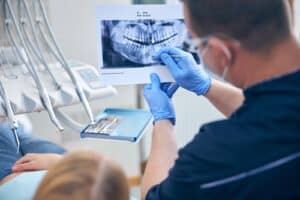
If you have lost a tooth or are living with a denture that no longer fits the way it used to, you might have wondered whether dental implants are even an option once you have reached your sixties or seventies. It is a fair question, and one we hear often from patients who assume implants are meant for younger, healthier mouths. The truth is that age alone rarely rules anyone out.
At Precision OMF Surgery, we evaluate candidacy based on your bone health, gum condition, and overall wellness rather than the number on your birth certificate, and our approach to oral surgery reflects that individualized philosophy at every step. If you are curious about whether implants make sense for your situation, you are in the right place to start learning.
What The Research Actually Shows
Concerns about age and implants usually come from an understandable place. Older adults sometimes take more medications, have slower healing, or have lost bone density over the years. It makes sense to wonder if those factors disqualify you from a procedure that involves surgically placing a titanium post in the jaw.
A 2025 systematic review and meta-analysis published in Clinical Oral Implants Research examined implant survival in patients aged 65 to 75 compared to those over 75 and found no significant difference in success rates between the two groups, concluding that dental implants remain a reliable treatment for older adults, including those beyond 75. Peri-implant bone stayed stable even when plaque and bleeding on probing were more common in the older group. Age by itself is not the disqualifying factor many people assume it to be.
What We Actually Look At
Rather than focusing on age, we consider a handful of health factors that matter far more for implant success. These include the following.
- Bone density in the jaw and whether bone grafting is needed first
- Gum health and any history of periodontal disease
- Control of chronic conditions like diabetes or osteoporosis
- Medications that may affect healing, such as certain bone density drugs
- Overall healing capacity and any history of smoking
Most patients who come to us with these concerns are pleasantly surprised by how much can be addressed before treatment even begins. For patients who have experienced bone loss after years without a tooth, a bone graft can rebuild a stable foundation so an implant can still be placed successfully.
Why Waiting Can Work Against You
One thing we do want you to know is that time is not always on your side when it comes to implant candidacy. The longer a missing tooth goes unaddressed, the more bone tends to resorb in that area, which can eventually make implant placement more complicated and may increase the need for grafting.
This is one of the reasons we encourage patients to explore their options sooner rather than later, even if retirement is still years away or already well behind you. For patients missing several teeth or an entire arch, options like full arch rehabilitation can restore function and confidence without requiring you to wait for a large-scale life change to justify the investment.
Financing Makes The Decision Easier
We also recognize that cost is often a bigger factor in this decision than age ever is. Many of our patients are managing retirement budgets or fixed incomes, and we do not want finances to be the reason someone continues living without a full set of functional teeth.
We accept a wide range of insurance plans and offer financing through CareCredit, Cherry, Alphaeon, and Proceed, along with a discount for patients on Medicaid. We also welcome HSA and FSA funds toward treatment. Our team walks every patient through their specific coverage and payment options before any procedure begins, so there are no surprises along the way.
Talk To Precision OMF Surgery About Your Options
Dr. Mohamed El-Ounsi trained as Chief Resident at NYU Langone and Bellevue, one of the top oral and maxillofacial surgery programs in the country, and is both a Fellow of the American Association of Oral and Maxillofacial Surgeons and a Diplomate of the American Board of Oral and Maxillofacial Surgery. That training informs a patient-centered approach built around transparency, individualized treatment planning, and a commitment to helping you understand every step of your care.
If you have been putting off asking about implants because you assumed your age would work against you, we would rather you hear the real answer from us directly. Contact our office to schedule a consultation and find out what your options actually look like.