Are you tired of hiding your smile because of missing teeth? At Precision Oral and Maxillofacial Surgery, we take a precision approach to dental implants, using advanced imaging and computer-guided planning to restore both function and appearance. Whether you need a single tooth replaced, several teeth, or a full-arch reconstruction, our process is built around getting the placement right the first time.
The Importance of a Healthy, Confident Smile
A healthy smile isn’t just about appearance — missing teeth can affect chewing, speech, and the long-term health of your jawbone. Left untreated, gaps from missing teeth can lead to shifting of nearby teeth and bone loss in the jaw over time. Dental implants are one of the few tooth-replacement options that address both the cosmetic and the structural side of the problem at once.
Understanding the Precision Approach to Dental Implants
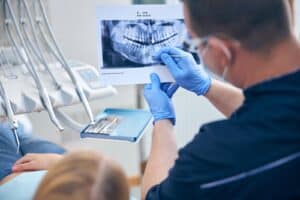
Dental implants are designed to mimic the natural structure of your teeth, providing a stable, long-term solution rather than a removable one. Our precision approach involves careful 3D imaging and planning before surgery to ensure each implant is placed accurately and securely in the jawbone — a critical factor in the long-term success of the implant.
Advantages of Precision Dental Implant Techniques
A Natural, Aesthetically Pleasing Appearance
Each implant crown is custom-made to match the color, shape, and size of your existing teeth, creating a result that blends in rather than standing out.
A Permanent Solution With Minimal Extra Maintenance
Unlike removable dentures, implants don’t require adhesives and won’t shift while you eat, speak, or smile.
Preserving Your Jawbone
Because the implant is anchored directly in the bone, it stimulates the surrounding jawbone the way a natural tooth root would, helping prevent the bone loss that often follows tooth loss and preserving your facial structure over time.
The Process of Precision Dental Implant Placement
Treatment starts with a comprehensive examination and consultation, where we assess your oral health, discuss your goals, and build a treatment plan around your specific anatomy. Implant placement itself uses 3D imaging and computer-guided surgery to maximize precision. Once the implant has fused with the jawbone — a process called osseointegration that typically takes a few months — a custom crown, bridge, or denture is attached to complete the restoration.
Preparing for Surgery and What Recovery Looks Like
Before surgery, our team walks you through any necessary pre-operative steps, including medication guidance specific to your health history. Afterward, some discomfort, swelling, or minor bleeding is normal for the first few days, and we provide specific post-operative instructions to support a smooth recovery. Once healed, regular check-ups and professional cleanings help your implants last for years to come.
Choosing the Right Dental Implant Specialist in Deer Park
Choosing an experienced team matters for a successful outcome. At Precision Oral and Maxillofacial Surgery, our team has extensive training in precision implant techniques and works with you at every stage, from your first consultation through long-term maintenance. If you’re weighing your options for missing teeth, our related article on New Teeth in a Day full-mouth dental implants covers a faster path for patients missing most or all of their teeth. Visit us today to discuss which approach fits your needs.
Frequently Asked Questions About Dental Implants
How long does the dental implant process take from start to finish?
The full process, including healing and osseointegration, typically takes a few months, though the exact timeline depends on your individual healing and whether preparatory treatments like bone grafting are needed.
Is dental implant surgery painful?
Most patients report manageable discomfort during recovery, controlled with prescribed or over-the-counter pain relief. The surgery itself is performed under anesthesia appropriate to the procedure.
Can anyone get dental implants?
Most healthy adults are candidates, though sufficient jawbone density and certain health conditions can affect eligibility. A consultation with imaging is the best way to confirm candidacy.
What’s the difference between a single implant and full-arch treatment?
A single implant replaces one missing tooth, while full-arch treatment, such as All-on-4, uses several implants to support an entire arch of replacement teeth in one coordinated procedure.
How do I know if I need bone grafting before getting implants?
3D imaging during your consultation will show whether you have sufficient bone density. If not, a bone graft may be recommended first to create a stable foundation for the implant.