For many people, the thought of undergoing dental surgery brings on real anxiety. The idea of drills, sounds, or discomfort makes patients nervous about treatment they may genuinely need. That’s where general anesthesia plays a role — it allows complex dental procedures to be completed while patients remain completely comfortable and unaware of what’s happening.
According to the American Society of Anesthesiologists, millions of people safely receive general anesthesia every year for medical and dental procedures. When managed by trained professionals in a controlled environment, it’s a safe and effective option for patients who might otherwise struggle to complete necessary treatment. At Precision Oral and Maxillofacial Surgery, our goal is to make the experience as safe, comfortable, and stress-free as possible.
Key Takeaways
- General anesthesia provides complete unconsciousness and pain relief during complex dental surgeries.
- It’s typically used for extensive procedures such as jaw surgery, impacted wisdom tooth extraction, or cleft repair.
- Careful monitoring and preparation make the process safe for most patients.
- Following pre- and post-operative instructions is essential for a smooth recovery.
- Choosing an experienced surgical team helps minimize risk and supports optimal outcomes.
What Is General Anesthesia in Dental Surgery?
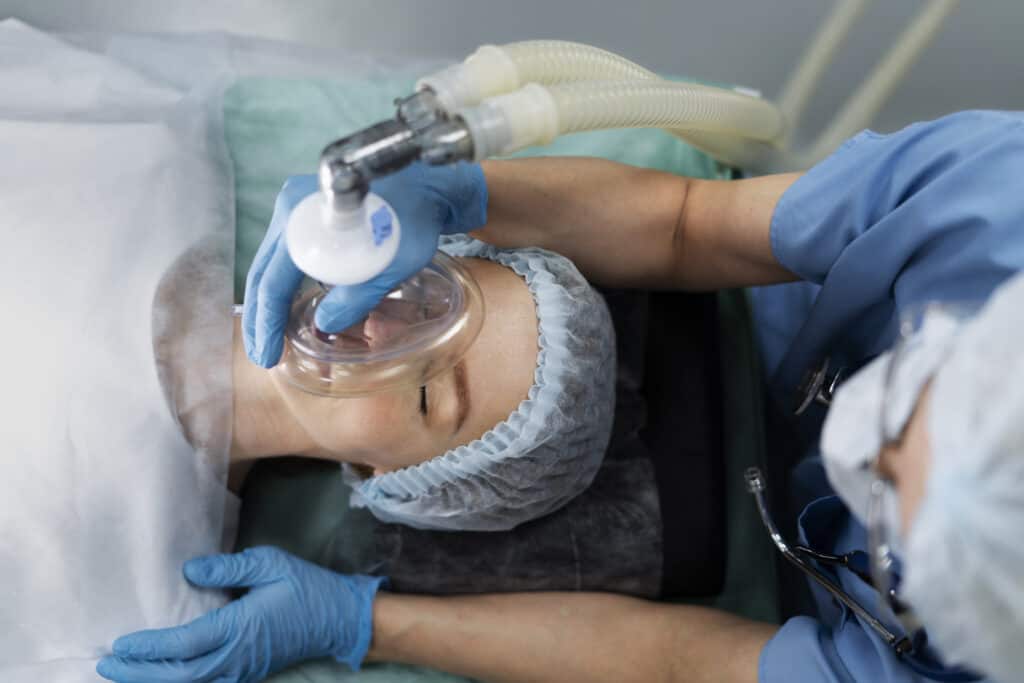
General anesthesia is a medically controlled state of deep sleep in which the patient is entirely unconscious and feels no pain, achieved through medications carefully administered and monitored by a qualified anesthesiologist. It’s different from local anesthesia, which only numbs a specific area, or sedation, which helps you relax but stay awake — general anesthesia blocks awareness and movement entirely, allowing your oral surgeon to perform longer or more complex procedures without distress or discomfort. At Precision Oral and Maxillofacial Surgery, general anesthesia is recommended only when necessary, administered under strict safety protocols following guidelines from the American Academy of Pediatric Dentistry and other professional associations.
When Is General Anesthesia Needed?
Not every dental procedure requires it, but certain situations make it the most practical and comfortable option:
- Extensive oral surgeries: corrective jaw surgery, bone grafting, or tumor removal require precision and time, and general anesthesia keeps patients still and comfortable throughout.
- Wisdom teeth removal: when wisdom teeth are deeply impacted or near nerves, anesthesia allows for a safe, pain-free extraction.
- Cleft lip and palate repair: these delicate procedures, often performed on children, require complete stillness and controlled conditions.
- High dental anxiety: for patients whose anxiety prevents them from tolerating treatment otherwise.
Advantages of General Anesthesia
Beyond comfort, general anesthesia offers a pain-free experience, better surgical control since the surgeon isn’t working around patient movement, reduced anxiety since there’s no awareness of the procedure, and often a more efficient single-appointment resolution for complex cases.
Preparing for Surgery Under General Anesthesia
Patients are typically asked to fast for at least six hours before the procedure and avoid heavy meals the night before. Share your full medical history, including conditions like diabetes, heart problems, or asthma, and disclose all medications and supplements — some cases may require prescribed antibiotics beforehand. Avoid smoking for at least 24 hours and alcohol for 48 hours before surgery, since both can delay healing. Arrange for someone to drive you home afterward, since anesthesia affects judgment and reflexes for at least 24 hours.
What Happens During and After Surgery
On the day of surgery, your anesthesiologist reviews your health history once more, then an IV line delivers the anesthesia medications while your breathing, heart rate, blood pressure, and oxygen levels are closely monitored throughout. Afterward, patients typically feel drowsy for a few hours as the anesthesia wears off. Mild side effects like nausea, a sore throat, chills, or temporary dizziness are common and usually fade within a day. Apply ice packs for swelling, stick to soft foods, avoid straws and smoking, and contact your surgeon immediately if you experience chest pain, difficulty breathing, or persistent vomiting.
Common Misconceptions
General anesthesia is often misunderstood. In reality, it’s safe for most healthy patients when administered by trained professionals; most people wake up within minutes of the procedure ending, not days; recovery discomfort is generally manageable with medication and home care; and most patients have little to no memory of the procedure itself, which helps reduce fear around future treatment.
Why Choose Precision Oral and Maxillofacial Surgery
Our oral surgeons and anesthesiologists work together to build personalized anesthesia plans based on your health history and surgical needs, with attentive care from preparation through recovery. If you’re preparing for a full-arch procedure that may involve anesthesia, our guide to New Teeth in a Day full-mouth dental implants walks through what that day looks like.
Frequently Asked Questions About General Anesthesia for Dental Surgery
Is general anesthesia safe for dental surgery?
Yes. When administered by trained professionals in a controlled setting, general anesthesia is considered very safe, with continuous monitoring ensuring patient stability throughout the procedure.
How long does it take to recover from general anesthesia?
Most patients feel fully alert within a few hours, though mild fatigue may last until the next day, depending on the procedure performed.
Will I feel any pain during surgery?
No. You’re completely unconscious under general anesthesia and won’t feel pain or remember the procedure.
What should I do before my surgery?
Follow fasting guidelines, disclose your full medical history, arrange transportation home, and avoid smoking or alcohol beforehand.
When should I contact my surgeon after anesthesia?
If you experience chest pain, difficulty breathing, fever, or excessive bleeding, contact your oral surgeon immediately.