Taking care of dental implants is key to keeping your smile strong, especially after getting full arch implants. Maybe you’ve noticed your new teeth need different care than your natural ones did — that’s completely normal, and we’re here to help guide you through it.
One useful fact to know: dental implants fuse with the bone in your jaw through a process called osseointegration, which is what makes them so stable and long-lasting. This article walks through how to keep them looking and feeling great, from day-to-day cleaning to handling common issues that might come up. If you’re still deciding on treatment, our overview of the precision approach to dental implants covers the placement process itself.
Key Takeaways
- Dental implants need consistent care like real teeth — use soft brushes and non-abrasive toothpaste.
- Right after surgery, avoid smoking, stick to soft foods, and keep the area clean with saltwater rinses.
- Regular check-ups let your dentist catch small problems early, before they become bigger ones.
- Avoid hard and sticky foods that can damage or dislodge implants.
- Daily brushing, flossing, and alcohol-free mouthwash are all part of long-term implant care.
Immediate Post-Surgery Care
Right after surgery, your mouth needs extra attention. Avoid smoking, since it slows healing. Use ice packs to reduce swelling, rest for at least 24 hours, and stick to soft foods like yogurt or soup. Drink plenty of water, but skip the straw — the sucking motion can disturb new implants. Rinse gently with saltwater a few times a day, and take any prescribed pain medication as directed.
Long-Term Maintenance
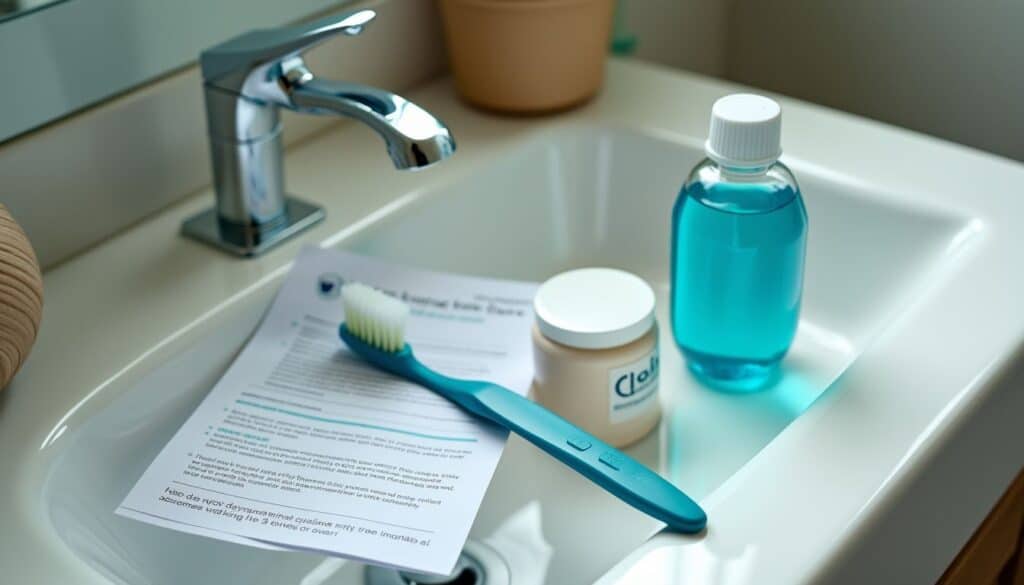
Once the initial healing period passes, a consistent daily routine keeps implants healthy for years. Brush twice a day with a soft-bristled brush, floss daily with implant-safe floss or tape, and use an alcohol-free mouthwash. Steer clear of hard and sticky foods like ice, hard candy, and caramel, and cut back on smoking and alcohol, both of which can affect the gum tissue and bone supporting your implant.
Recommended Tools and Products
A soft-bristled toothbrush and non-abrasive toothpaste protect the implant surface from scratching. Interdental brushes and water flossers reach areas a standard brush can’t, and an antibacterial mouthwash helps control bacteria without drying out your mouth.
Regular Check-Ups and Professional Cleanings
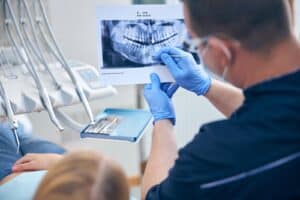
Routine dental visits catch small problems before they become expensive, uncomfortable ones. At Precision Oral and Maxillofacial Surgery, Dr. El-Ounsi checks implant integration with the jawbone, performs a professional cleaning around each implant, reviews your home care routine, and takes X-rays to confirm the surrounding bone stays healthy. Consistent care like this is a major factor in the high long-term success rates seen with well-maintained implants.
Watching for Complications
Swelling or pain around an implant, movement of the implanted tooth, or new difficulty chewing or talking can all be signs something needs attention — potentially peri-implantitis, an infection at the point where the bone and implant meet. Early action matters here: call your oral surgeon promptly if you notice any of these signs rather than waiting to see if it resolves on its own.
Diet and Nutrition
Foods rich in vitamins and minerals support the bone health that keeps your implant secure, while a diet high in sugar feeds the bacteria that contribute to gum disease and can weaken that same supporting bone. Good options during recovery include soft soups, mashed potatoes, scrambled eggs, yogurt, applesauce, and steamed vegetables. Avoid crunchy nuts, hard candy, sticky snacks, chewy bread, and popcorn, all of which can stress or dislodge an implant.
Why Choose Precision Oral and Maxillofacial Surgery
Dr. Mohamed El-Ounsi and the team bring specialized experience in implant dentistry, including bone grafting, sinus lifts, and full-arch restoration. Every patient gets a personalized care plan built around their specific oral health and habits, along with ongoing support long after the initial procedure — not just guidance at a single visit. Free consultations are available to help you get started.
Frequently Asked Questions About Caring for Dental Implants
Can dental implants get cavities?
The artificial crown itself can’t develop a cavity, but poor oral hygiene can still affect the gum tissue around the implant, potentially leading to complications like peri-implantitis.
What’s the difference between caring for implants and natural teeth?
Both require consistent brushing and flossing, but implants call for extra attention to the area directly surrounding the restoration, where problems are most likely to start.
How often should I see the dentist after getting implants?
Regular check-ups, similar in frequency to standard dental visits, allow your team to monitor implant integration and catch early signs of trouble before they progress.
What foods should I avoid long-term with dental implants?
Hard items like ice and hard candy, along with very sticky foods, put unnecessary stress on implants and are worth avoiding indefinitely, not just during initial healing.
What is peri-implantitis?
It’s an infection affecting the tissue and bone around a dental implant, similar to gum disease around natural teeth. Catching it early through regular check-ups is key to protecting the implant.